
The Problem Every Growing Business Faces
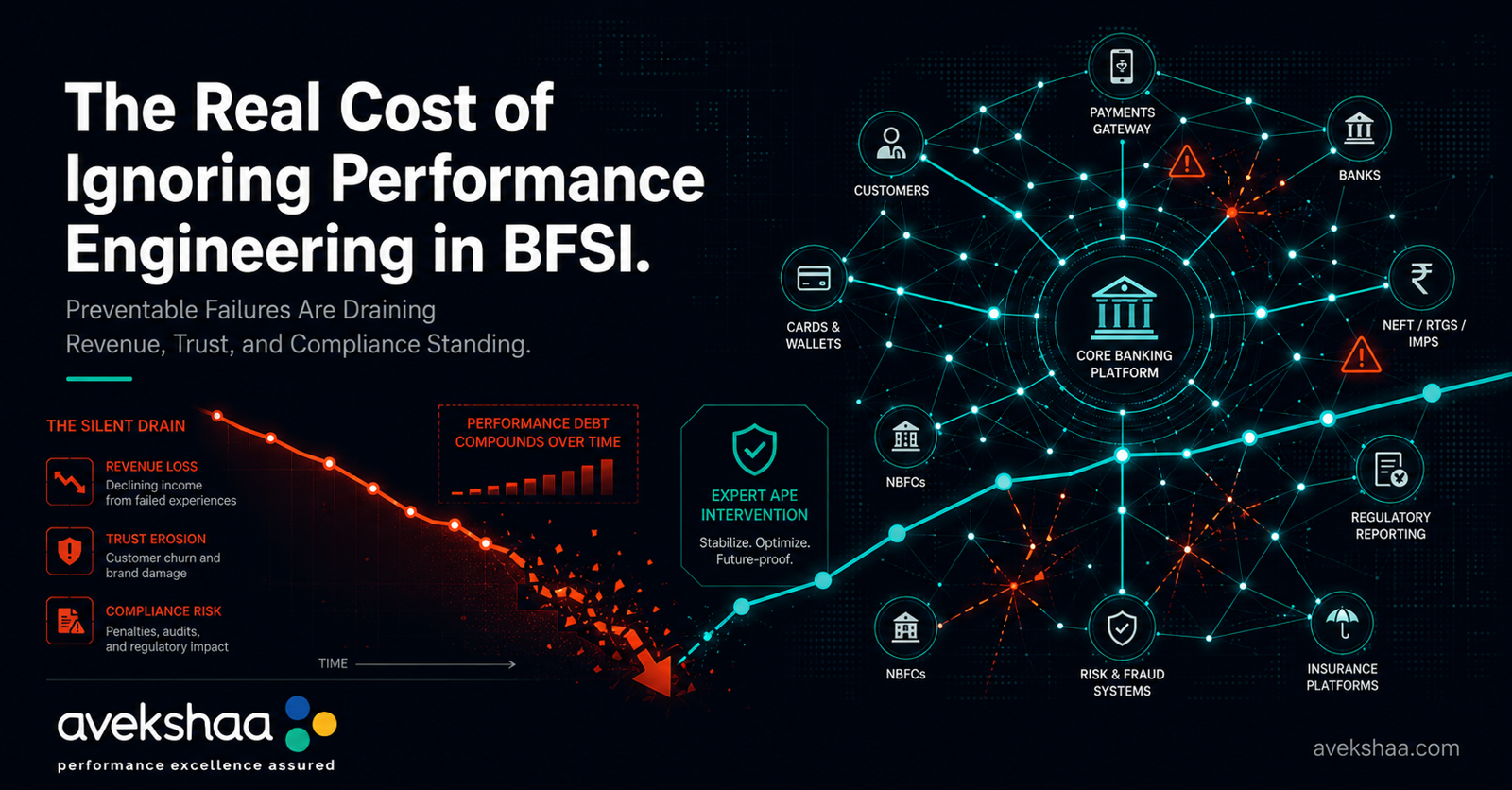
Every time a business-critical application goes down, the cost is immediate. Transactions stall, customers leave, and trust erodes. For banks, insurance companies, and large retail platforms, even a few minutes of unexpected downtime can translate into millions in lost revenue. And yet, many organizations still treat reliability as something they can fix after the fact, instead of engineering for it from the start.
Site Reliability Engineering, commonly known as SRE, was designed specifically to change that mindset.
What SRE Actually Means
Site Reliability Engineering is a discipline that applies software engineering principles to infrastructure and operations. The goal is to create systems that are scalable, reliable, and sustainable, without depending on constant manual intervention. Rather than waiting for things to break and then scrambling to fix them, SRE teams define clear service-level objectives (SLOs), build automation around failure prevention, and continuously improve the health of production systems.
Google pioneered this practice in the early 2000s, and today it has become a foundational approach for any organization that depends on digital systems to serve customers at scale.
Key Principles of Site Reliability Engineering
SRE is built on a few core ideas that set it apart from traditional IT operations. The first is the concept of error budgets. Instead of chasing 100% uptime as an abstract goal, SRE teams define exactly how much failure is acceptable, and use that budget to make informed decisions about how aggressively to push new changes into production.
The second principle is automation. SRE practitioners automate everything that is repetitive, including deployments, failover responses, and capacity scaling. This reduces human error and frees teams to focus on higher-value engineering work.
The third principle is shared ownership. In traditional setups, developers build software and operations teams run it. In SRE, the same team is responsible for both reliability and feature delivery, which creates a natural incentive to build things that are robust and maintainable.
Why Enterprises Are Investing in SRE Now
Digital expectations have changed. Customers using a banking app or an insurance portal expect the experience to be seamless, whether they are accessing it at 2 PM on a Tuesday or during a peak transaction window on a Friday evening. Any degradation in speed or availability sends them looking for alternatives.
Organizations in the BFSI sector, telecom, retail, and healthcare are finding that traditional reactive approaches to IT operations can no longer keep up. The volume of transactions, the complexity of modern application stacks, and the scale of concurrent users have all grown to a point where manual oversight is insufficient.
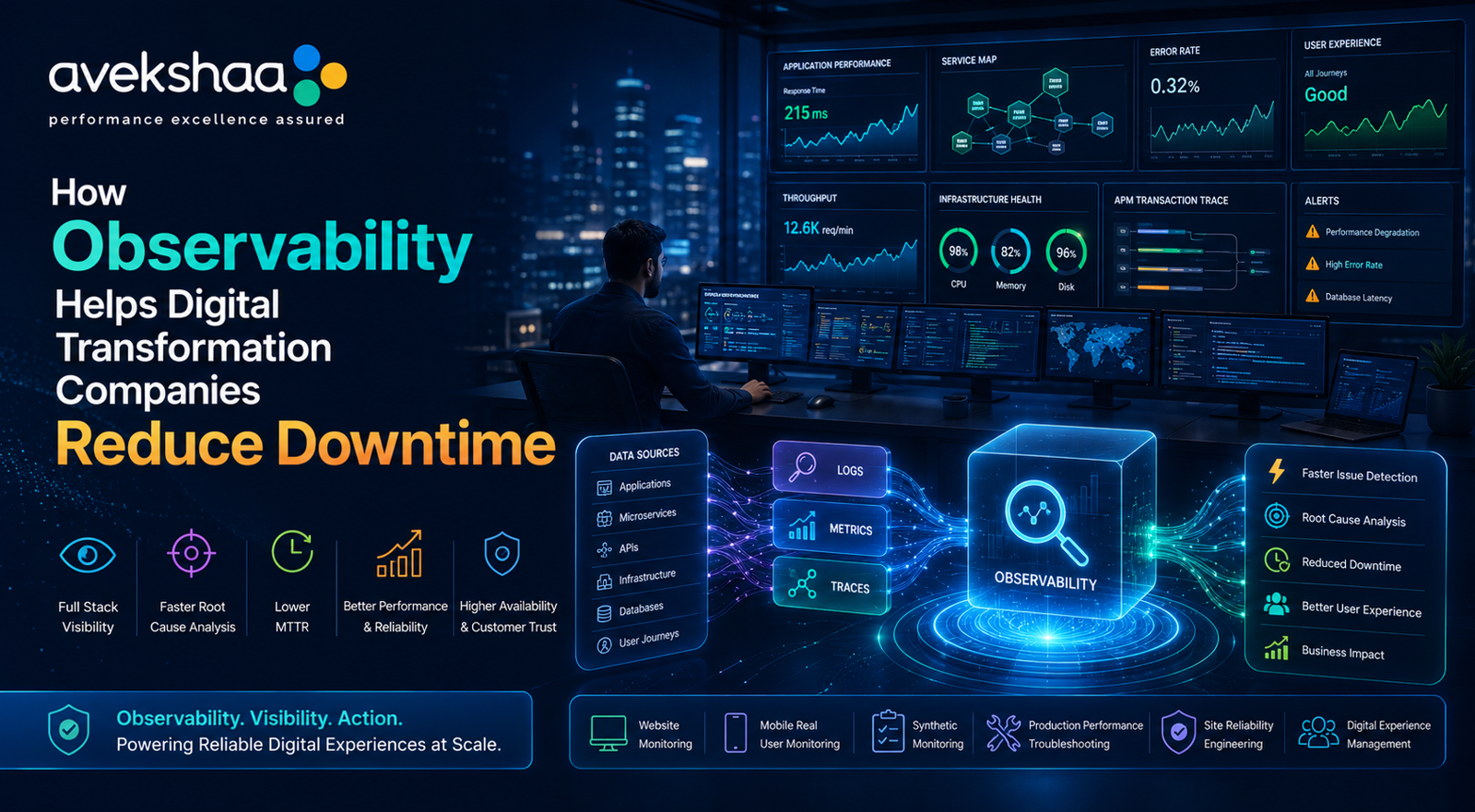
SRE fills that gap by building reliability into the system architecture itself, not just bolting it on after the fact. This is where application performance engineering becomes a critical complement, proactively preventing performance, availability, and scalability failures before they ever reach production.
The Business Case for SRE
Beyond the technical benefits, SRE delivers measurable business outcomes. Organizations that implement SRE properly report faster incident resolution, fewer production outages, and significantly improved mean time to recovery (MTTR) when failures do occur. They also see better utilization of infrastructure and a more predictable deployment pipeline.
For businesses with complex, high-traffic applications, these improvements translate directly into revenue protection and improved customer satisfaction scores. A robust application performance management practice works in lock-step with SRE to ensure that production systems remain healthy and observable long after go-live.
Getting Started with SRE
Many organizations find it difficult to build an SRE practice from the ground up. Hiring experienced SRE engineers is competitive, and building the tooling, processes, and cultural shift required takes time. That is where specialized SRE service providers become valuable. They bring proven frameworks, deep observability expertise, and the ability to embed SRE practices into existing teams without disrupting ongoing operations.
The right SRE partner does not just monitor your systems; they help you engineer them for long-term reliability.
Conclusion
Site Reliability Engineering is no longer a practice reserved for tech giants. As enterprise applications grow in complexity and user expectations continue to rise, SRE has become a business necessity. Organizations that invest in SRE today are building systems that are faster, more resilient, and better equipped to scale. Avekshaa Technologies brings over 12 years of experience in application performance and reliability engineering, helping enterprises across BFSI, telecom, retail, and more achieve their SRE goals with measurable, lasting impact. Explore how Avekshaa's Site Reliability Engineering services can help your organization build systems that perform when it matters most.




Write a comment ...